
 Back
Back

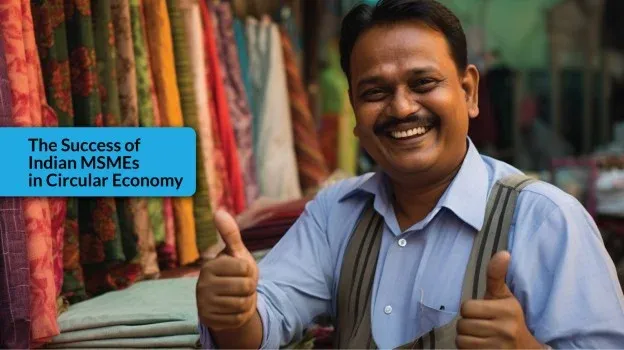
Several Indian MSMEs have successfully implemented circular economy principles, demonstrating the potential of this approach. For example:
Recyclekart: This company collects and recycles electronic waste, creating employment opportunities and reducing environmental pollution. They have recycled over 10,000 metric tons of e-waste to date.
Saahas Zero Waste: This organization promotes zero-waste practices, working with businesses and communities to reduce waste and conserve resources. They have diverted over 50,000 tons of waste from landfills.
Additional Considerations
Cultural and Social Factors: Understanding local cultural and social factors is crucial for the successful implementation of circular economy initiatives.
Skill Development: Investing in skill development programs can equip MSMEs with the knowledge and skills needed to adopt circular practices.
Infrastructure Development: Investing in infrastructure for waste collection, sorting, and recycling is essential.
Technological Advancements: Promoting the adoption of technologies for resource recovery and product reuse is crucial.
Policy Support: Develop supportive policies and regulations to incentivize circular economy practices.
Capacity Building: Provide training and support to MSMEs on circular economy principles and best practices.
Collaboration and Partnerships: Foster collaboration among stakeholders, including government, industry, academia, and NGOs.
International Collaboration: Collaborating with international partners can facilitate knowledge sharing, technology transfer, and access to global markets.